Implant Problems & Second Opinions
Worried About a Failing Dental Implant?
A loose, painful, or inflamed implant should be looked at promptly. In many cases the situation is treatable — and a failing implant can often be replaced.
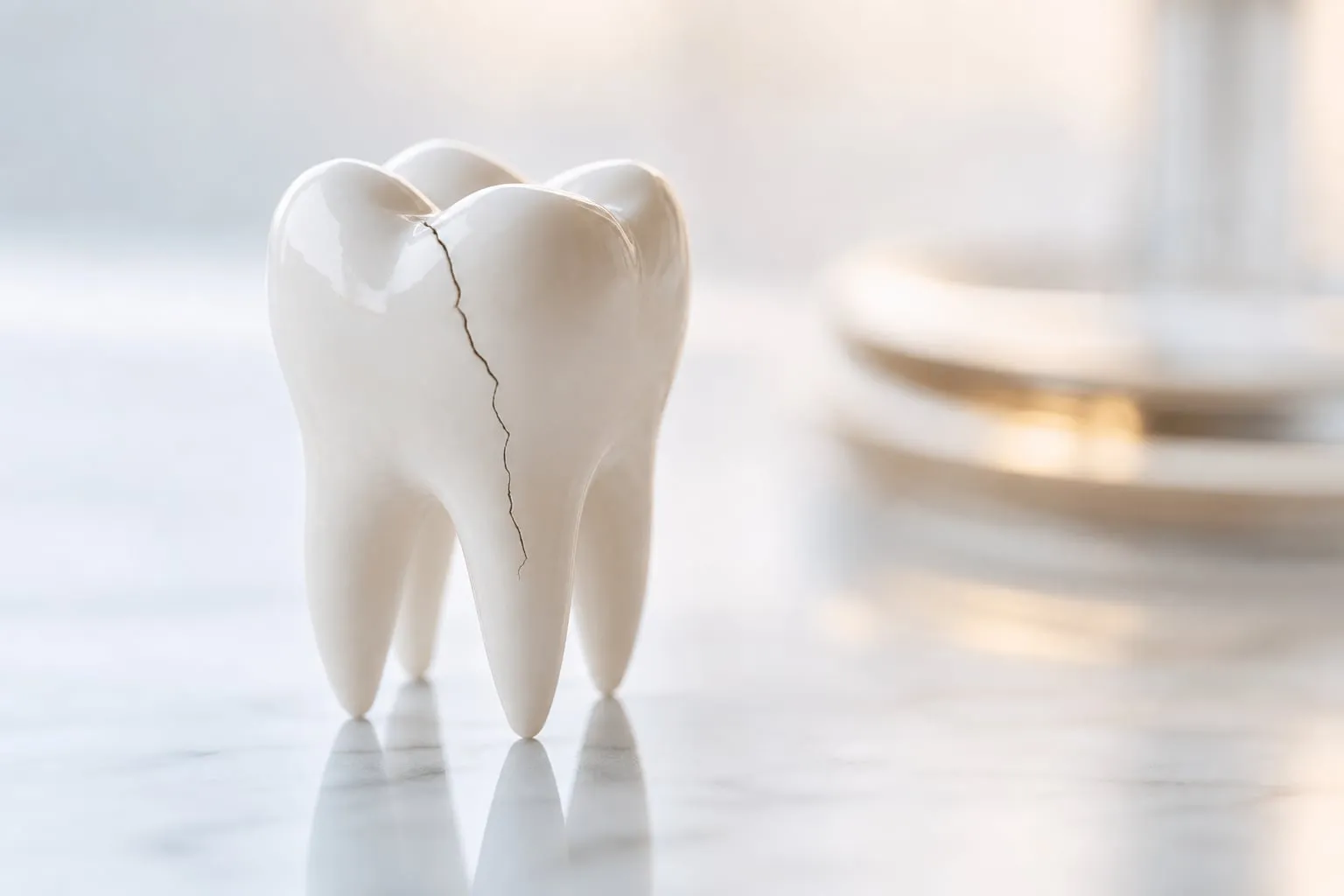
Warning signs
Signs an implant may need attention
If any of these sound familiar, have it evaluated rather than waiting.
-
Looseness or movement
A healthy implant should feel solid. Any movement of the implant or its restoration is worth checking promptly.
-
Persistent or returning pain
Discomfort that worsens after the early healing period — rather than steadily improving — deserves a look.
-
Gum changes
Swelling, redness, bleeding around the implant, or gums receding to expose metal can signal inflammation.
-
Trouble biting
A bite that suddenly feels off, or pain when chewing on the implant, can indicate a problem with the implant or restoration.
This page is general education, not a diagnosis. If you have significant pain, swelling, or signs of infection, contact a dental office promptly.
Why it happens
Common causes of implant problems
-
Peri-implantitis
Infection and inflammation in the gum and bone around an implant. Published research identifies it as the leading driver of late implant failure.
-
Integration problems
Occasionally an implant does not fully fuse with the bone. This tends to show up early, within the first months.
-
Bite forces & grinding
Excess or uneven force — including unmanaged clenching and grinding — can stress an implant or its restoration.
-
Health & habits
Smoking and poorly controlled systemic conditions can impair healing and raise the risk of complications.
What we do
How we evaluate and treat implant problems
- 1
Evaluation
We examine the implant and surrounding tissue and take 3D imaging to see what is happening in the bone.
- 2
Diagnosis
We identify whether the issue is the restoration, the surrounding gum and bone, or the implant itself.
- 3
Treatment plan
Options can range from treating inflammation or replacing the restoration to removing and later replacing the implant.
- 4
Restoring your smile
Where an implant must be removed, the site is allowed to heal — sometimes with grafting — before a new implant is considered.
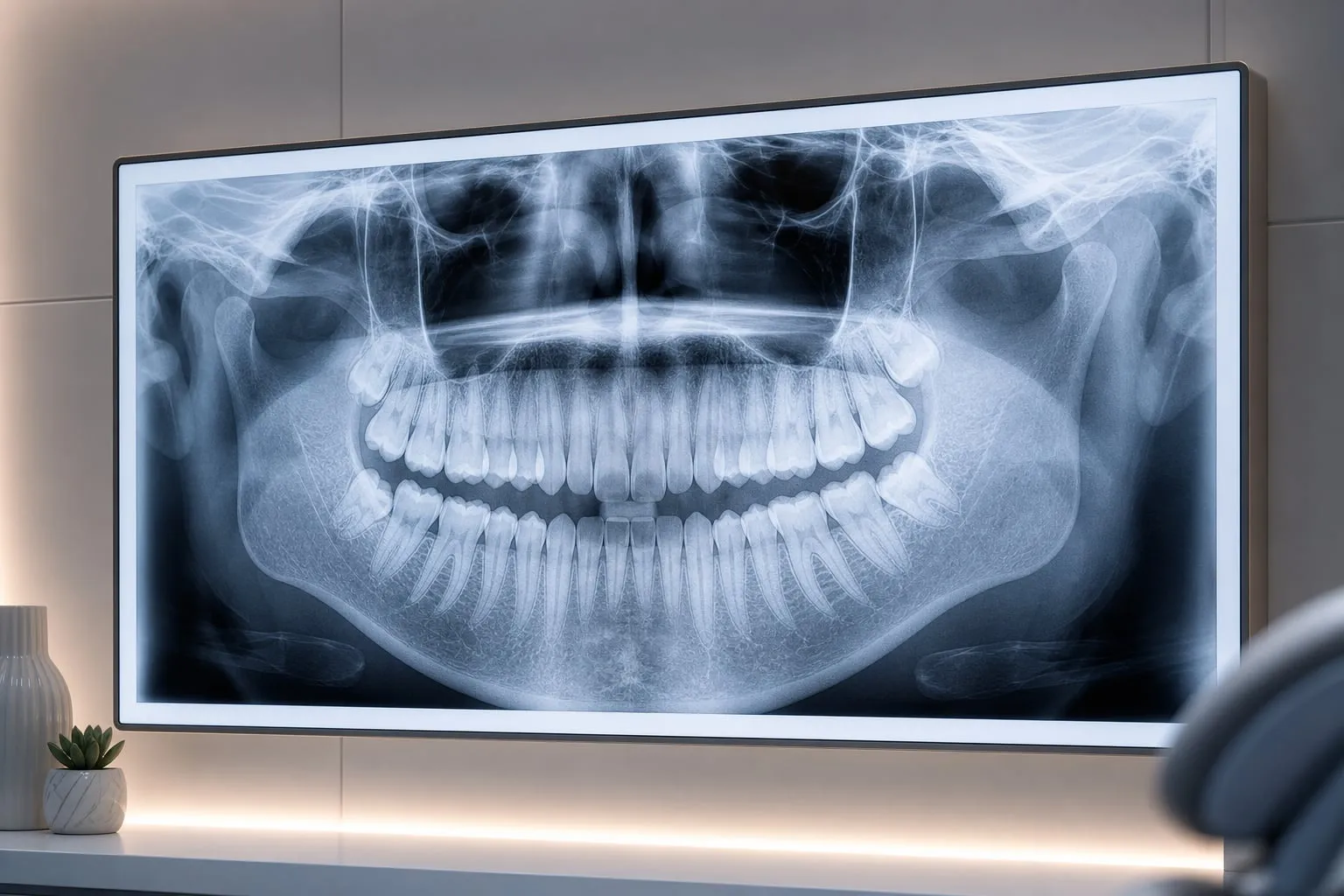
Second opinions welcome
Not sure about a plan you were given?
If you've been quoted for implant work elsewhere, or you're unhappy with existing implants, we're glad to take a fresh look. You'll get an honest assessment, 3D imaging where useful, and a clear written plan — with no pressure to switch.
- A free, no-obligation evaluation
- Straight answers about what we would and wouldn't do
- Transparent pricing and financing options
Questions & answers
Failing implant FAQ
Can a failing dental implant be replaced?
In many cases, yes. If an implant must be removed, the site is usually allowed to heal — sometimes with bone grafting — before placing a new implant. The right approach depends on why the first implant struggled, which is what the evaluation determines.
What causes dental implants to fail?
The most common cause of late failure is peri-implantitis, an infection affecting the gum and bone around the implant. Other contributors include problems with initial integration, excessive bite forces or grinding, smoking, and poorly controlled health conditions.
Is a loose implant an emergency?
It should be evaluated promptly. Sometimes only the crown or abutment has loosened — a relatively simple fix — while movement of the implant itself is more serious. Either way, do not wait and see; contact a dental office.
Do you provide second opinions on implant treatment?
Yes. If you have been given a treatment plan elsewhere and want another perspective — or you are unhappy with existing implant work — we are glad to evaluate it and give you an honest assessment at a free consultation.
Related treatments
Explore our implant treatments
- Dental Implants Replace one or more missing teeth with natural-looking titanium implants. Learn more
- All-On-4 Dental Implants A full arch of fixed teeth supported by just four implants. Learn more
- Full Mouth Dental Implants Rebuild an entire smile — upper, lower, or both — with implant-supported teeth. Learn more
- Single Tooth Dental Implant Replace one missing tooth without affecting the healthy teeth beside it. Learn more
- Multiple Tooth Dental Implants Replace several missing teeth with an implant-supported bridge — fewer implants needed. Learn more
- Implant-Supported Dentures Secure, snap-in dentures that stay put — no adhesives, no slipping. Learn more
Book your visit
Concerned about an implant? Let's take a look.
Book your free, no-obligation consultation today and take the first step toward a confident, fully functional smile — or call our Mission Viejo office to speak with our team.