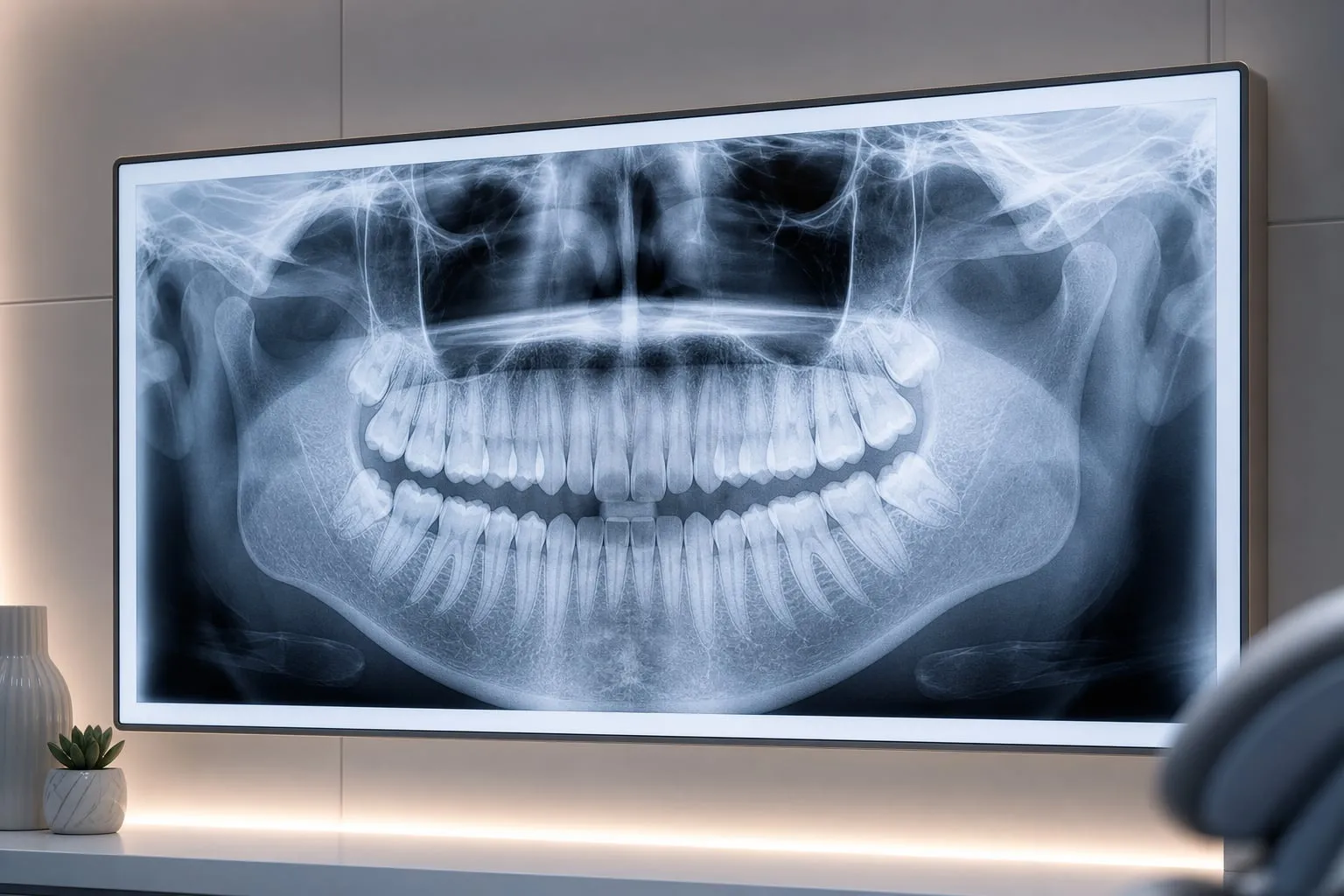

Short answer: most people return to everything they did before — running, hiking, golf, the pool, the gym. The restrictions are front-loaded into the first couple of weeks, and the only long-term change for most patients is protecting the work if you play contact sports.
If you’re active, the question isn’t really “can I still do this?” It’s “how long am I sidelined, and what do I have to change afterward?” Here’s an honest look at both.
Why strenuous activity is limited early on
It comes down to blood pressure and blood flow. Hard exercise raises your heart rate and blood pressure, which can restart bleeding at a fresh surgical site, worsen swelling, and disturb the clot your body is relying on to begin healing. Heavy lifting adds a second problem: bearing down against a held breath spikes pressure in the head and sinuses.
There’s also a practical issue. Throbbing at the surgical site during a workout is common in the first week, and it’s genuinely hard to tell the difference between “this is normal” and “something is wrong” while your heart rate is at 150.
A rough sequence — not a schedule
Published patient guidance and post-op instructions vary quite a bit, and your case is the one that counts. Treat the ranges below as the general shape of things, then follow the specific instructions from the provider who did your surgery.
| Activity | Commonly suggested earliest window |
|---|---|
| Walking, light housework | Often within the first few days |
| Desk work | Frequently 1–3 days for a single implant; longer for grafting or multiple sites |
| Easy cardio — stationary bike, light elliptical | Often around a week |
| Running, weight training, HIIT | Commonly 1–2 weeks, sometimes longer |
| Swimming in a chlorinated pool | Often about a week, and only once the site has closed |
| Ocean, lake, and hot tubs | Usually longer — commonly two to three weeks |
| Contact and collision sports | The longest wait, and only with clearance plus protection |
Larger procedures move every row further out. If your treatment included bone grafting or a sinus lift, assume a longer runway, particularly for anything involving lifting, bending, or pressure.
Golf, hiking, and the in-between activities
Golf sits in an awkward middle. Walking the course is mild; a full swing is a rotational, breath-holding effort that behaves more like weight training than a walk. Many people find putting and chipping comfortable well before they’re ready for the driver.
Hiking is usually well tolerated once bleeding has settled, with two caveats: a heavy pack loads your torso in a way that raises pressure, and being an hour from the trailhead is a poor place to discover a bleeding site. Start close to home.
Yoga deserves a note too — inversions and forward folds put your head below your heart, which can increase throbbing early on.
Swimming and water
Water is less about exertion and more about exposure. Guidance commonly suggests waiting until the surgical site has closed before submerging — roughly a week for a clean chlorinated pool, and longer for ocean, lake, or hot tub water, which carries more bacteria and less predictable chemistry.
Chlorine can also irritate healing tissue. If you’re a daily swimmer, raise it at your pre-op visit so you can plan around it.
Contact sports and the mouthguard conversation
This is the one genuinely long-term consideration.
A natural tooth sits in a periodontal ligament — a thin layer of fibrous tissue that cushions the root and absorbs force. A dental implant integrates directly with bone and has no such ligament. That’s what makes it stable, and it’s also why impact transmits straight through to the implant and surrounding bone instead of being dampened.
For most people, this changes nothing. For anyone playing basketball, hockey, martial arts, rugby, soccer, or anything with elbows, it’s a reason to wear a guard. The American Dental Association’s patient guidance recommends mouthguards for sports generally; with implants, a custom guard made from an impression of your teeth is worth discussing, because a lab can account for exactly where your restorations sit and build in extra thickness there. Boil-and-bite guards from a drugstore are better than nothing, but they fit less precisely.
Bring this up once your restorations are placed, not before — the guard needs to be made around the finished result.
The same logic applies if you grind your teeth at night. Ask your provider whether a nightguard belongs in your plan; it’s a common recommendation and an easy thing to overlook.
Travel and flying
Cabin pressure changes are the reason travel gets its own conversation. For a straightforward single implant, waiting a day or two is a commonly suggested minimum — enough time to be past the highest-risk bleeding window and near your provider if something needs attention.
If your case involved a sinus lift or significant grafting in the upper jaw, longer waits are commonly advised, since the sinuses respond to pressure changes more than anything else in your head. A couple of weeks is a figure that appears frequently in patient guidance. Ask before you book anything non-refundable.
If you do travel soon after surgery, pack your prescribed medication in your carry-on, bring soft food for the flight, drink water rather than alcohol, and avoid blowing your nose if your surgery involved the upper jaw. Our soft food ideas list has options that survive a trip.
Why the early window exists at all
We don’t offer same-day teeth. Treatment here is built around confirmed bone integration, which takes months rather than hours, and the early activity limits exist to protect that healing while it’s most vulnerable. The trade-off is a slower start in exchange for restrictions that end.
The All-On-4 healing timeline and our recovery overview lay out each phase.
Signs to stop and call
Back off and get in touch if you notice bleeding that restarts and doesn’t settle with gentle pressure, swelling that increases after day three instead of easing, pain that worsens during or after activity, or any sense of movement in the implant site. If you’re ever unsure whether something is normal, our page on failing dental implants covers the warning signs — but a phone call is faster than a web search.
Let’s talk about your routine
If your week includes training, competition, or a lot of travel, tell us at your free consultation so we can plan the timing around it. Call our Mission Viejo office at (949) 773-4170 or contact us with questions.
This article is general education, not a diagnosis, and it does not replace the specific instructions your dental team gives you. Individual healing and results vary from person to person.
References: Mouthguards (ADA MouthHealthy) · Mouthguard protection of the implant/crown complex under frontal impact (PubMed)