Short answer: for the first week or two, aim for food you can eat with a spoon, at roughly room temperature, that leaves no crumbs, seeds, or grit behind. The hard part isn’t finding soft food — it’s finding soft food you still want to eat on day six.
This article is the practical companion to our week-by-week guide to eating after implant surgery. That one covers the rules and the timeline. This one covers what to actually make for dinner.
Days 1 and 2: nothing that asks you to chew
Keep everything cool or lukewarm and spoonable. Cool temperatures tend to feel better on a fresh surgical site, and heat can encourage bleeding early on. Ideas that go a bit further than yogurt and pudding:
- Silken tofu with soy sauce and a drop of sesame oil (skip whole sesame seeds)
- Blended butternut squash or tomato soup, cooled until it’s barely warm
- Refried beans thinned with a splash of broth
- Greek yogurt stirred with mashed banana and honey
- Cottage cheese, plain or with pureed pear
- Kefir, buttermilk, or a protein shake, sipped from a cup
- Avocado mashed with lime and salt
- Panna cotta, flan, or a simple custard
Two habits matter more than the menu here: no straws, and check the temperature before the first bite. Local anesthetic can linger, and it’s easy to burn tissue you can’t fully feel yet.
Days 3 to 7: soft, but an actual meal
Once early swelling starts to settle, most people want something that resembles food. These hold up well and take almost no chewing:
- Congee or rice porridge — rice simmered until the grains break down completely
- Dal or lentil soup, blended smooth
- Soft polenta or grits with butter and grated parmesan
- Macaroni and cheese cooked well past al dente
- Soft scrambled eggs, cooked low and slow so they stay creamy
- Baked cod or salmon flaked with a fork and moistened with olive oil
- Slow-cooked shredded chicken served in its own broth
- Mashed sweet potato or a loose potato puree
- Ricotta stirred with olive oil and salt, spread on soft bread with the crust removed
- Egg drop soup or miso, served warm rather than hot
Chew on the opposite side from the surgical area when you can, and cut portions smaller than feels necessary. Our aftercare guide covers the rinsing and cleaning side of the same period.
Week two onward: adding texture back on purpose
There’s no calendar that applies to everyone. A useful approach is to add one firmer thing at a time and let comfort be the judge — soft pasta before bread, bread before roasted vegetables, roasted vegetables before anything raw or crusty. If something aches or feels like it’s pressing on the site, it’s too early. Try it again in a few days.
Keep hard, crunchy, and sticky foods off the list until your provider clears them, even if you feel fine.
The four things that cause the most trouble
| Skip this | Why it matters |
|---|---|
| Very hot food and drinks | Heat can encourage bleeding early on, and numbness from anesthetic makes burns easy to miss |
| Crunchy and hard foods — chips, nuts, granola, crusty bread, raw carrots | Sharp fragments can jab the surgical site or catch on sutures |
| Small seeds and loose grains — berry seeds, sesame, poppy, quinoa, popcorn, plain rice | They lodge in the site, are hard to rinse out, and can irritate healing tissue |
| Straws | The suction can disturb the healing site during the first several days |
Also worth avoiding for the first stretch: sticky candy and chewy bagels that pull on sutures, very spicy or acidic foods that sting raw tissue, and alcohol, which can interfere with healing and may not mix with prescribed medication.
Getting enough protein without chewing
This is the part people quietly get wrong. Appetite drops, meals get skipped, and a week of applesauce isn’t much to rebuild tissue with. Protein is the nutrient most consistently emphasized in wound-healing guidance, and soft food can carry plenty of it.
Higher-protein options that need no chewing: Greek yogurt, cottage cheese, silken tofu, blended lentil or split pea soup, refried beans, soft scrambled eggs, ricotta, kefir, flaked fish, and unflavored protein powder stirred into soup, oatmeal, or mashed potato — where you won’t taste it.
Hydration counts too. Water, broth, and milk are all easier on the site than fizzy or acidic drinks.
A shopping list to prep before surgery day
Buy this beforehand. Standing in a grocery store the day after surgery is nobody’s idea of a good time.
Fridge: Greek yogurt, cottage cheese, ricotta, eggs, silken tofu, kefir or milk, hummus, avocados, bananas, applesauce.
Pantry: canned refried beans, lentils or split peas, short-grain rice for congee, polenta or grits, small pasta shapes, low-sodium broth, canned pumpkin, olive oil, honey, unflavored protein powder.
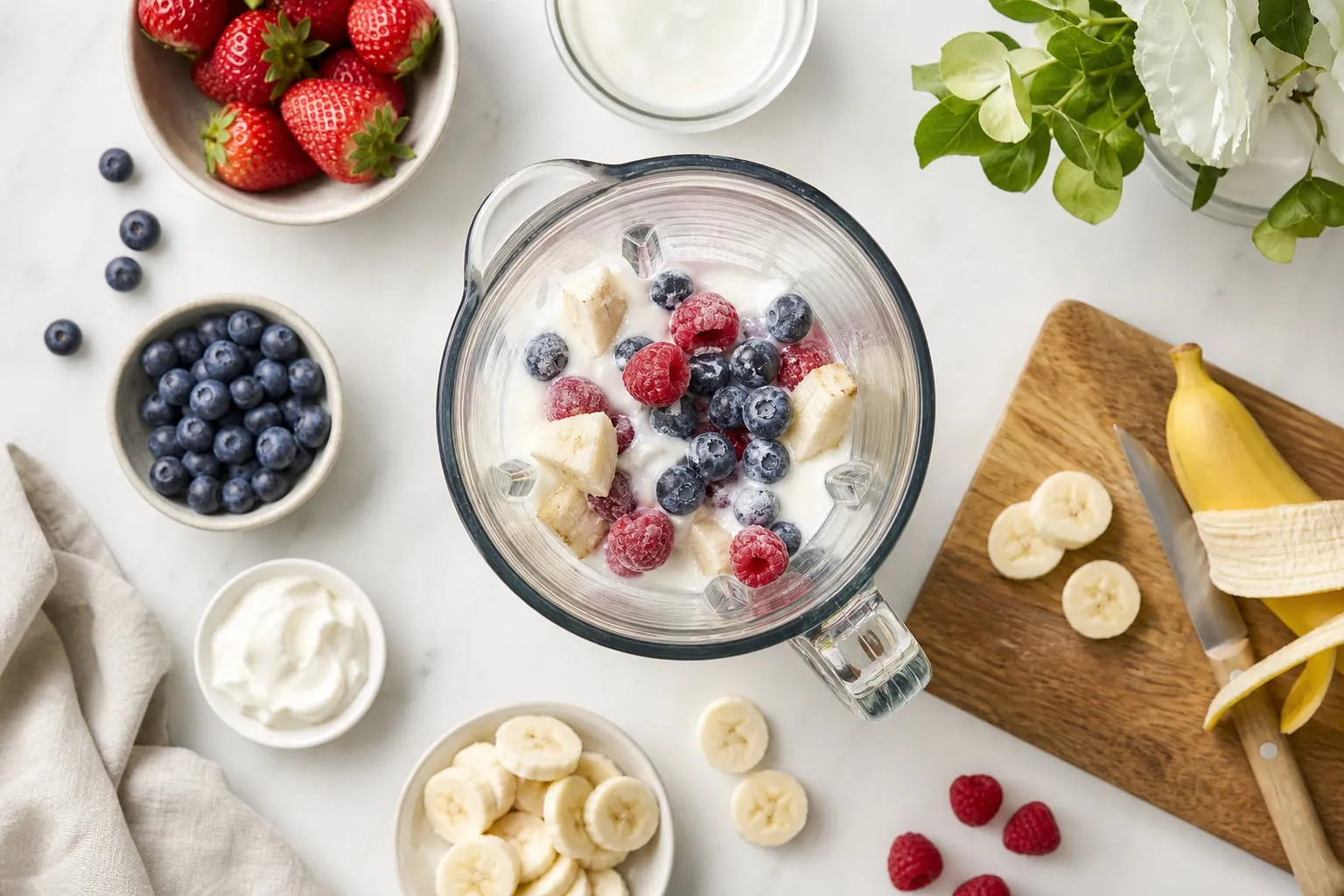
Freezer: peeled banana chunks and mango for smoothies (skip seeded berries), frozen butternut squash, frozen peas to puree, a couple of pre-made soups.
Useful to have: a blender or immersion blender, small containers for portioning, and a soft-bristled toothbrush for after.
If you had bone grafting or a full-arch case
Larger procedures usually mean a longer soft-food window. If your treatment included bone grafting or a sinus lift, or if you’re healing from a full-arch case, expect the restrictions to run longer and follow the specific timeline you were given rather than a general one.
It’s also worth being clear about why the window exists at all. We don’t offer same-day teeth, and we don’t ask you to chew on something before it’s ready. The plan is built around confirmed bone integration, which takes months — the All-On-4 healing timeline walks through what that looks like stage by stage. The eating restrictions early on are part of protecting that.
When to pick up the phone
Call if pain is getting worse rather than better after the first few days, if bleeding doesn’t settle, if you develop a fever, or if food keeps packing into the site no matter how carefully you rinse. Our recovery overview covers what’s typical and what isn’t.
Questions about your own recovery?
We’d rather you call than guess. Reach our Mission Viejo office at (949) 773-4170, request a free consultation, or browse our FAQ first.
This article is general education, not a diagnosis, and it does not replace the specific instructions your dental team gives you. Individual healing and results vary from person to person.
Reference: What to eat after oral surgery (Cleveland Clinic)