Short answer: smoking doesn’t automatically rule out dental implants — but it meaningfully raises the risk of problems, and it’s something worth addressing before treatment. If you smoke and you’re considering implants, the honest conversation is more useful than a yes-or-no answer.
Why smoking matters for implants
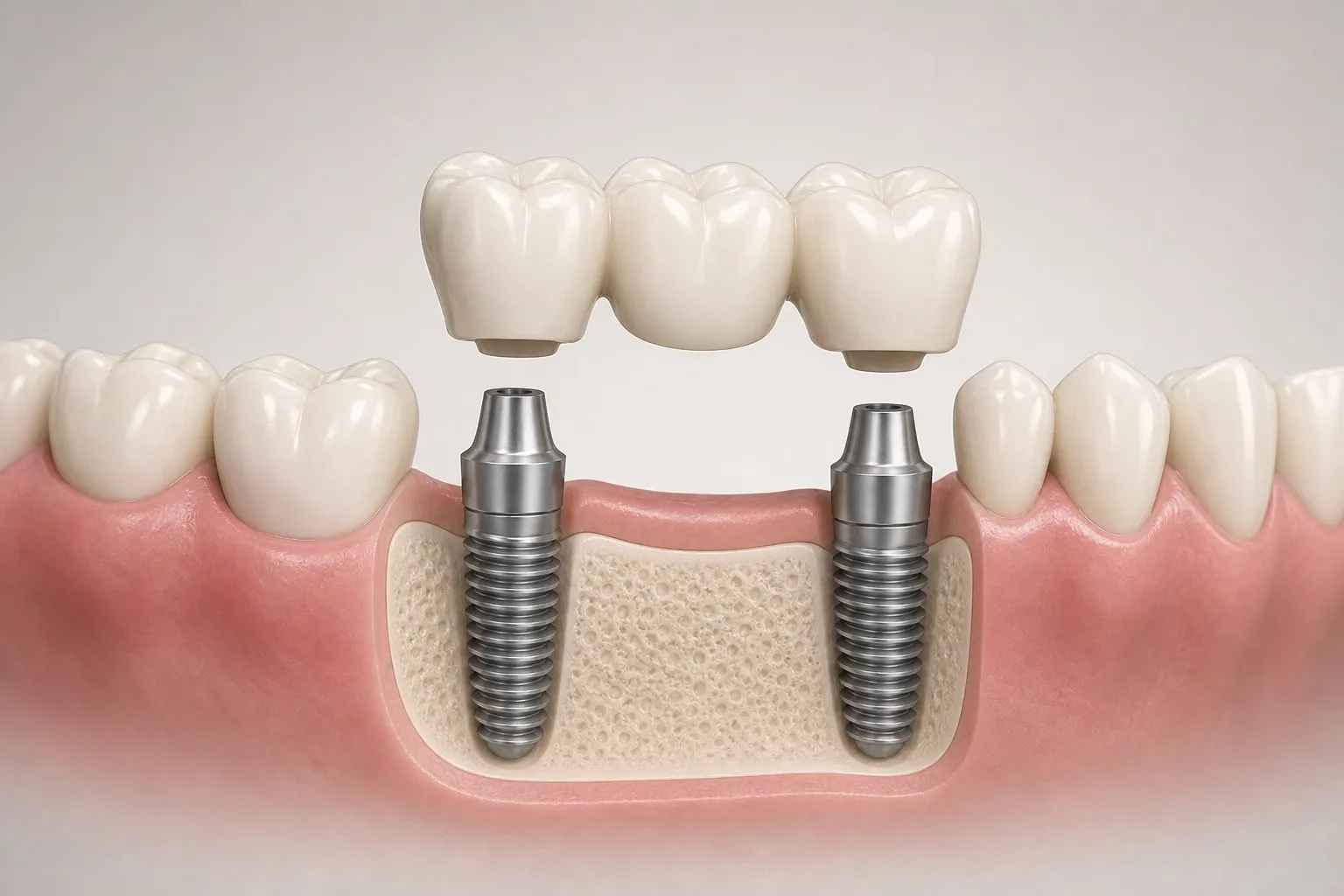
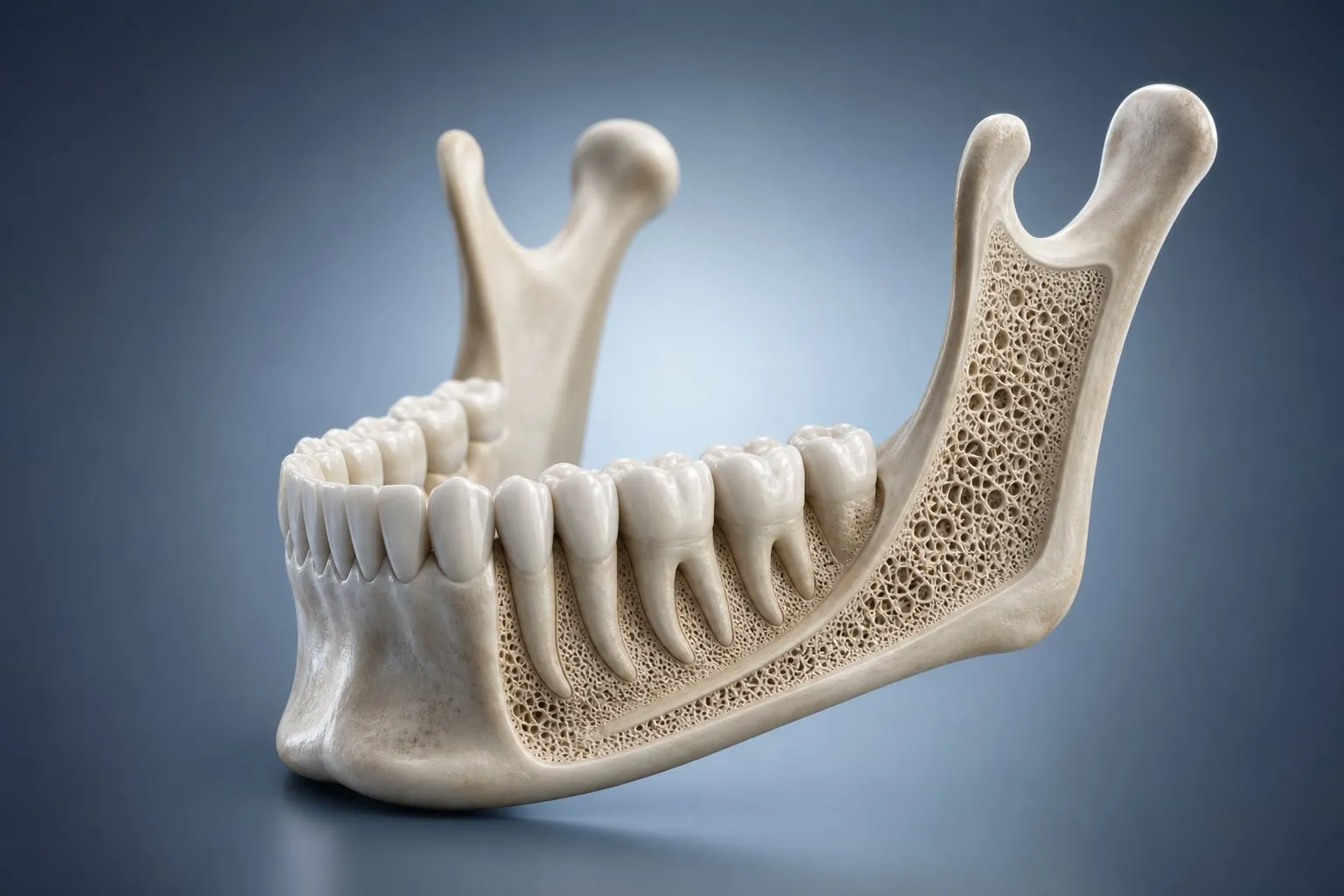
A dental implant succeeds because bone grows around and bonds to the titanium post — a process called osseointegration. That process depends on good blood supply and healthy tissue.
Nicotine constricts blood vessels, which reduces blood flow to the gums and bone. Less blood flow means less oxygen and fewer nutrients reaching the site exactly when your body needs them most. Smoke also irritates soft tissue and can affect the immune response in the mouth.
What the research shows
Published dental research consistently finds higher implant failure rates among smokers than non-smokers — commonly reported in the range of roughly two to three times higher, depending on the study and how heavily a person smokes. Smoking is also associated with a greater risk of peri-implantitis, the inflammatory condition affecting gum and bone around an implant that drives a large share of late implant failures.
It’s worth being precise about what that means: higher risk is not certain failure. Many people who smoke do get implants and do well. But the odds are less favorable, and you deserve to know that going in.
What this means for your treatment plan
If you smoke, a thoughtful provider will:
- Talk about it openly rather than ignoring it
- Assess your gum and bone health carefully with an exam and 3D imaging
- Discuss timing — often suggesting you reduce or pause smoking before surgery and through early healing
- Plan follow-up more attentively, since monitoring matters more when risk is elevated
In some cases, a provider may recommend addressing smoking before proceeding, particularly for large full-arch cases. That isn’t a judgment — it’s about giving the treatment the best chance to work.
Practical steps that help
- Cut back or stop as far ahead of surgery as you can, and stay off through the early healing weeks
- Follow your aftercare instructions closely
- Keep every follow-up appointment so problems are caught early
- Maintain excellent daily hygiene around the implant
If quitting entirely feels out of reach, tell your provider anyway. A plan built around your real habits is far better than one built on an assumption.
The bottom line
Smoking raises the risk, but it doesn’t necessarily close the door. The only way to know where you stand is a personalized evaluation of your bone, gums, and overall health. Learn more about what determines dental implant candidacy.
Ready to find out where you stand?
We’ll give you an honest assessment — including if implants aren’t the right move right now. Request your free consultation or call (949) 773-4170.
This article is general education, not medical advice. Individual risk varies, and only a personalized evaluation can determine whether treatment may be an option for you.
References: Dental implants and diabetes mellitus — a systematic review (PMC) · Influence of Diabetes on Implant Failure and Peri-Implant Diseases (PMC)