To get a second opinion on a dental implant plan, book a consultation with another implant dentist and bring your written treatment plan, any X-rays or 3D scans you have, your health history, and your questions. The second dentist will examine you, often take their own imaging, and tell you whether they’d recommend the same treatment and why. It’s a normal step before significant treatment, and it doesn’t commit you to anything.
Here’s when a second opinion is most worth having, how to prepare, and how to compare two plans without comparing apples to oranges.
When is a second opinion worth getting?
You don’t need one for every filling. For implant treatment, a second look is especially worthwhile when:
- The plan is large. Full-arch treatment, such as All-On-4, can involve several extractions, multiple implants, and a significant investment. Checking a plan like that twice is sensible.
- You’ve been told you’re not a candidate. Bone loss, a sinus that sits close to the jaw, or health factors can make implants harder. Sometimes another office sees a path, such as a bone graft first; sometimes it confirms that a different option suits you better. Either answer is useful. Our page on implant candidacy explains what’s usually assessed.
- Two quotes are very different. Big gaps often mean different scopes of work, but sometimes they reflect different diagnoses.
- An existing implant is causing problems. Pain, swelling, bleeding, or a loose crown around an implant deserves prompt evaluation. Our page on failing dental implants covers the warning signs.
- You don’t fully understand the plan. If you can’t explain it back in your own words, ask more questions of the first dentist, a second one, or both.
One caution: if you have pain, swelling, fever, or an implant that feels loose right now, get seen promptly. A second opinion is a planning tool, not a reason to put off care for an active problem.
Is it normal to ask for a second opinion?
Yes. For treatment of this size, comparing two written plans is common. A dentist who is confident in a recommendation should be comfortable with you having it reviewed, and no one should be offended by it.
You don’t owe anyone a long explanation. “I’d like another opinion before a decision this big” is enough. If an office discourages you from seeking one, or pushes you to commit before you leave, that’s worth noticing. Our list of questions to ask before choosing an implant dentist includes other warning signs.
What should you bring to a second opinion?
The more the second dentist can see, the more useful the comparison. Bring:
- The written treatment plan, with itemized fees if you have them.
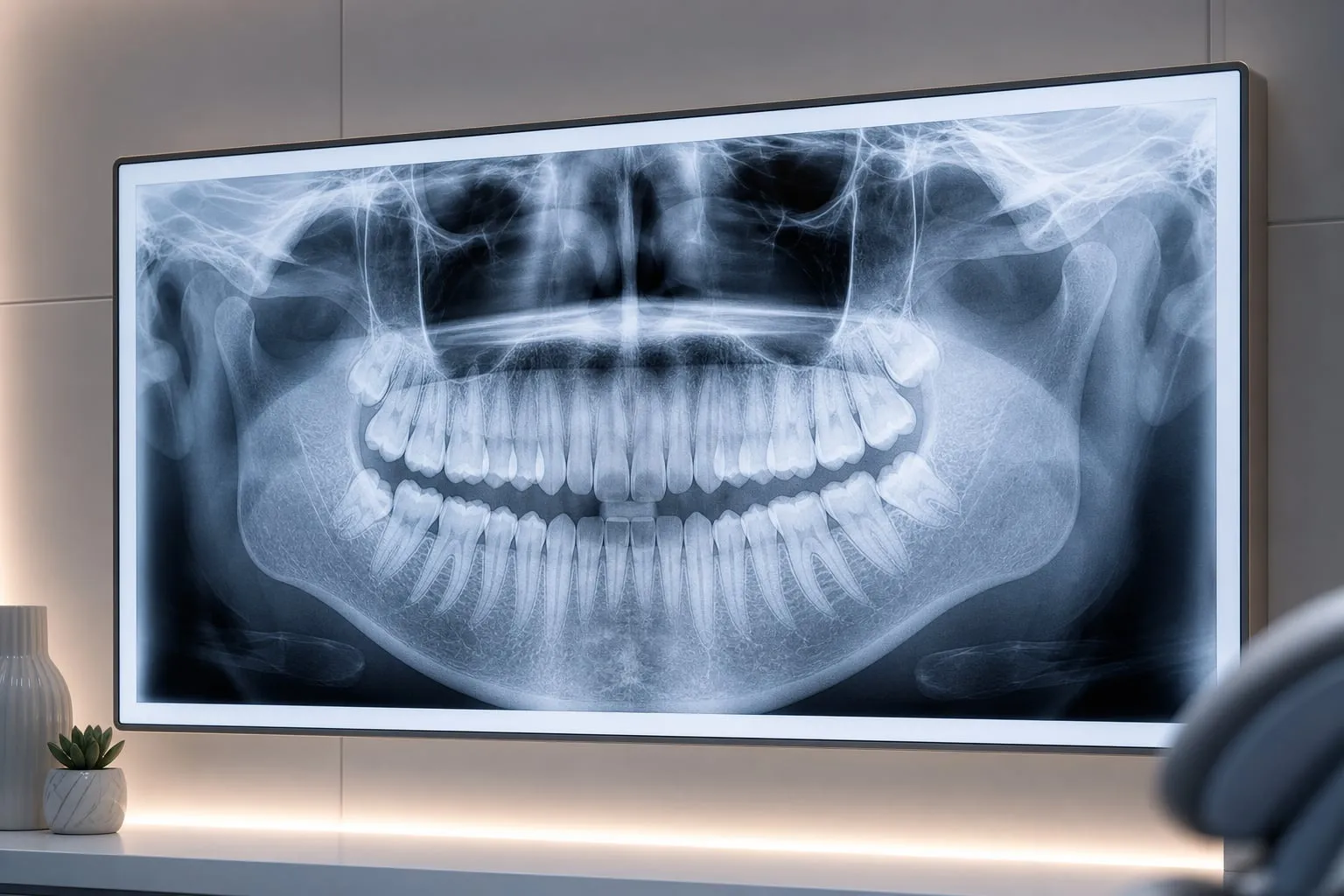
- Recent X-rays and 3D scans. A CBCT scan (cone-beam CT, a 3D X-ray of the jaw) is usually stored as a digital file. Ask the first office for a copy and how they can send it.
- Records for any existing implants: when they were placed, by whom, and any documentation of the implant system used.
- Your health history and medications, including supplements.
- Your dental insurance card, if you have one.
- Your questions, written down, including anything the first plan didn’t make clear.
Can’t gather everything? Bring what you have. Earlier images can still help even if the second office takes new ones. For example, comparing old and new scans can show whether bone levels around an implant have changed.
Why might the second office take new imaging?
An honest second opinion needs current information. Images from months ago may not show what has changed since, and a flat X-ray can’t show bone width, the nerve canal, or the sinus floor the way a 3D scan can. Our page on 3D imaging and implant planning explains the difference.
A fresh scan also lets the second dentist form their own view, rather than simply reading someone else’s conclusions.
How do you compare two implant plans fairly?
Line them up side by side. Differences in price often trace back to differences in scope, steps, or materials, so compare those first. Our checklist for comparing dental implant quotes walks through the line items to check.
| What to compare | Questions to ask | Why it matters |
|---|---|---|
| Scope | Which teeth are removed or replaced? How many implants? | Different scopes aren’t the same plan |
| Preliminary steps | Is an extraction, bone graft, or sinus lift planned? | These can add cost and months of healing |
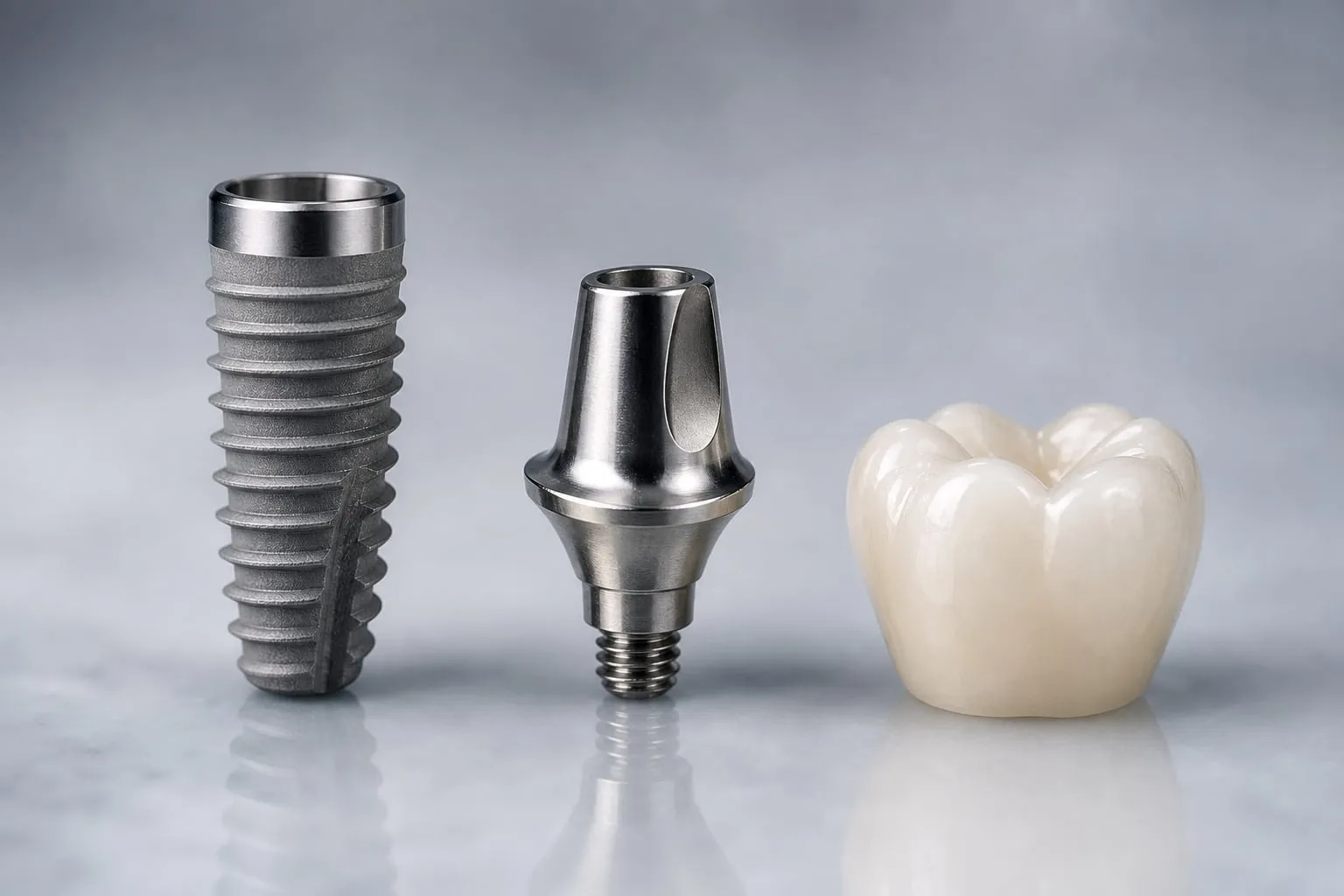
| Implants and parts | Which implant system? What type of abutment? | Affects how easily parts can be serviced later |
| Final teeth | Crown, bridge, or full-arch prosthesis? What material? | Materials differ in strength, look, and cost |
| Temporary teeth | What will you wear while you heal? | Shapes your daily life during treatment |
| Timeline | How many stages? When are the final teeth fitted? | Some approaches attach teeth early; others wait for confirmed integration |
| Follow-up | Which healing checks and maintenance visits are included? | Care continues after the final teeth go in |
Different isn’t automatically wrong. Two careful dentists can recommend different reasonable approaches, such as individual implants versus an implant-supported bridge. Ask each one to explain the reasoning: why this approach, what the alternatives are, and what the trade-offs are for you. The quality of that explanation is useful information in itself.
What if the second opinion agrees with the first?
That’s a good outcome, not a wasted visit. Agreement means you can move forward with more confidence, and you can choose a provider on other grounds, such as location, comfort, cost, and how clearly they explain things.
If two opinions disagree sharply and you’re still unsure, it’s reasonable to ask each dentist to address the other’s reasoning, or to seek a third view.
How do second opinions work at our office?
We’re glad to provide second opinions. Patients often come to us after being quoted elsewhere, after being told implants are not possible for them, or because an existing implant is causing problems. We examine the site, take our own imaging, and give you an honest assessment, including when we agree with the original recommendation or when the right answer is a treatment other than implants.
The consultation is free and comes with no obligation, and there’s no pressure to switch. You leave with a clear written plan and pricing that you’re welcome to compare with the one you brought. Our first visit page walks through what the appointment involves.
One thing to know when comparing: we don’t offer same-day teeth or immediate loading. Our plans are built around confirming that implants have integrated with the bone before final teeth are fitted, so our timeline may include more stages than a plan built around same-day teeth.
The bottom line
A second opinion is a normal, sensible step before significant implant treatment, especially for full-arch plans, a “not a candidate” verdict, very different quotes, or a problem implant. Bring your written plan, imaging, health history, and questions, and compare plans on scope, steps, and materials before price. A second opinion that agrees with the first is just as valuable as one that doesn’t. To have us take a look, request a free consultation or call (949) 773-4170.
This article is general education, not a diagnosis or a substitute for professional dental advice. Individual results vary, and only a personalized evaluation can determine what treatment may be appropriate for you.