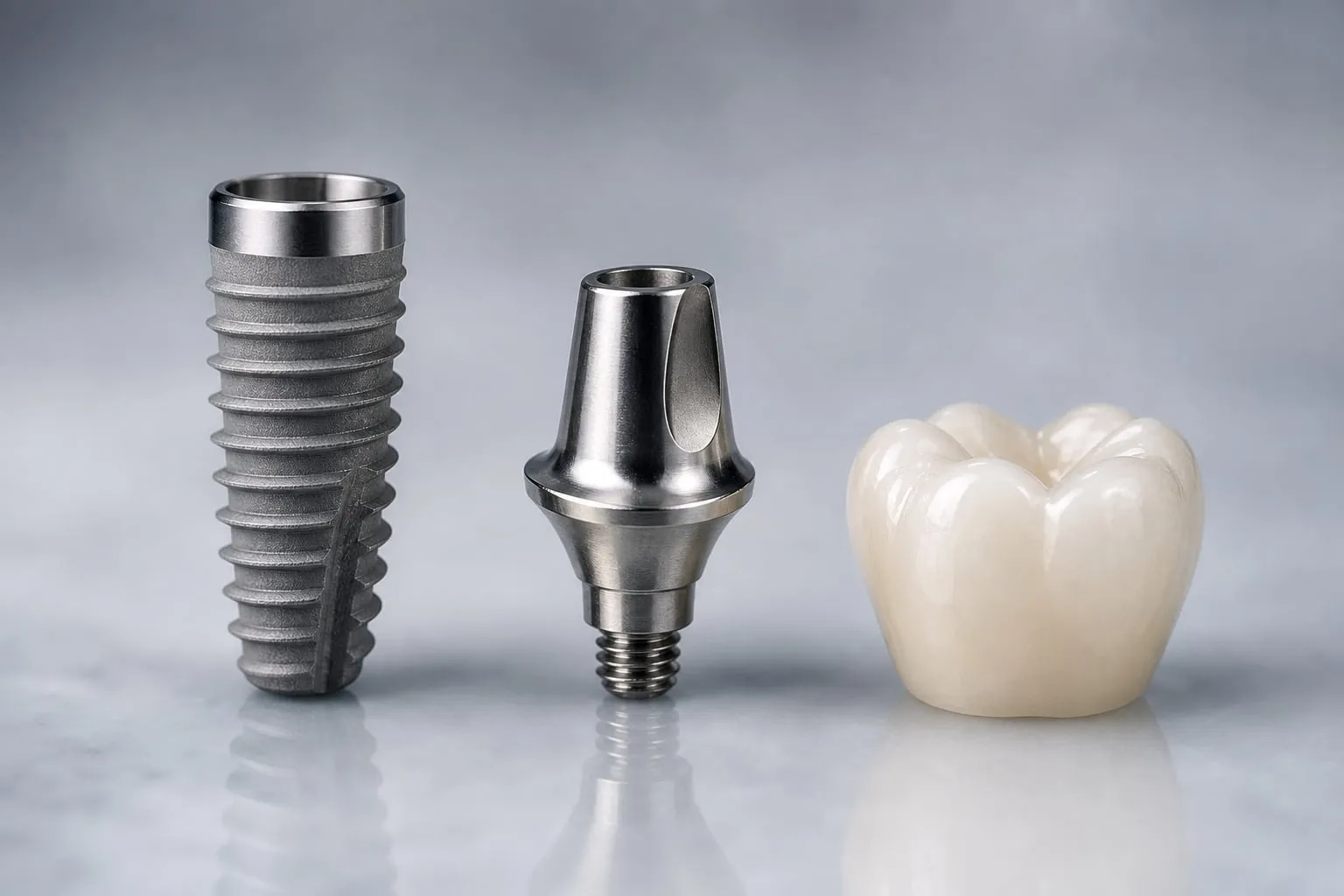

Preparing for dental implant surgery mostly comes down to four things: reviewing your medications and health with your dentist, stopping or cutting back on smoking, following the eating and drinking instructions you’re given, and setting up your home for a couple of quiet days. Arrange a ride if your plan includes sedation, and never stop a prescribed medication on your own.
A little preparation makes the day calmer and the first few days of recovery noticeably easier. Use the checklists below as a starting point. Your dental team’s written instructions always come first, because they’re built around your health history and your specific procedure.
What should I do the week before implant surgery?
This is when the planning tasks happen. Most of them take a phone call or a trip to the store.
Week-before checklist:
- Review every medication and supplement with your dentist. Include prescriptions, over-the-counter products, vitamins, and herbal supplements. Some medications, such as blood thinners and certain bone medications, are relevant to how surgery is planned, and some supplements can affect bleeding as well.
- Do not stop a prescribed medication on your own. If a change is needed, it should be decided by your dentist together with the physician who prescribed it. Stopping something like a blood thinner without guidance can carry its own risks.
- Report any health changes. A new diagnosis, a new prescription, a recent hospital visit, or a pregnancy all matter. If you come down with a cold, fever, or other illness in the days before, call the office, because rescheduling may be the safer choice.
- Stop or cut back on smoking. Nicotine narrows blood vessels and reduces blood flow to the gums and bone, which is exactly what a healing implant depends on. Stopping as far ahead as you can, and staying off through early healing, helps. Our post on smoking and dental implants explains why. Vaping and other nicotine products deserve the same conversation.
- Stock soft foods. You’ll want food that needs little or no chewing for the first days. Our soft food meal ideas include a shopping list you can take to the store.
- Plan time off. Many people return to non-strenuous work the next day or within a couple of days, but a physically demanding job may call for longer. Ask what’s realistic for your procedure, and keep the first day or two free of anything important.
- Arrange a ride if you’ll have sedation. If anything beyond local anesthesia is part of your plan, you’ll need someone to drive you home. Set this up now, not the morning of.
- Fill prescriptions ahead. If you’ve been prescribed anything for afterward, pick it up before your appointment so you aren’t waiting at a pharmacy counter on the way home.
If anxiety is part of the picture, say so now rather than on the day. Our comfort and sedation options page explains how comfort is planned. Don’t take anything for nerves that wasn’t prescribed or cleared for this appointment.
What should I do the day before and the morning of surgery?
Day-before and morning-of checklist:
- Follow your eating and drinking instructions exactly. With local anesthesia alone, a light meal beforehand is often encouraged. If your plan includes sedation, you may be told not to eat or drink for a set period first. These instructions differ from person to person, so follow the ones you were given rather than general advice, including this article.
- Take your regular medications as instructed. Your team will tell you which ones to take as usual on the morning of surgery.
- Ask about alcohol. It’s commonly advised against around surgery and with some pain medications.
- Brush and floss gently as you normally would.
- Wear comfortable, loose clothing, ideally with sleeves that roll up easily. Layers help if you tend to get cold.
- Skip the extras. Leave jewelry at home. If you’ll be sedated, you may be asked to wear glasses instead of contact lenses.
- Get a decent night’s sleep and leave plenty of time to arrive without rushing.
- Confirm your ride and their pickup time.
What should I bring to my implant appointment?
What-to-bring checklist:
- Photo ID and your dental insurance card, if you have one
- Your up-to-date list of medications and supplements
- Your written instructions and any questions you’ve jotted down
- Glasses, if you normally wear contact lenses
- Headphones and a playlist or podcast, since many patients find sound and vibration more unsettling than any sensation
- Your driver’s phone number
- A sweater or extra layer, if you get cold easily
How should I set up my home for recovery?
Comfort afterward is mostly a matter of preparation. Get these in place before you leave the house.
Home-setup checklist:
- Ice packs or cold compresses in the freezer, to use on and off during the first day
- Soft, cool foods ready in the fridge, such as yogurt, smoothies, mashed potatoes, eggs, and soups cooled to lukewarm
- No straws. Suction can disturb early healing, so skip them for the first several days and eat smoothies with a spoon
- Extra pillows so you can keep your head slightly elevated while resting and sleeping
- Prescribed medication within easy reach, with a note of when each dose is due. Taking it on schedule tends to work better than waiting for discomfort to build
- A soft-bristled toothbrush for gentle cleaning as instructed
- Gauze, if your team provides or recommends it
- A cleared calendar, with no heavy lifting, workouts, or demanding plans for the first day or two
- The office phone number saved in your phone

What does the preparation timeline look like?
| When | What to focus on |
|---|---|
| A week or more before | Medication and supplement review, health updates, smoking, time off, a ride, groceries |
| The day before | Confirm instructions and your ride, pick up prescriptions, prepare the house |
| The morning of | Follow eating and drinking instructions, take medications as directed, dress comfortably |
| Afterward | Rest, cold compresses, soft foods, medication on schedule, follow-up visits as scheduled |
What should I expect after surgery?
Some soreness, swelling, and possibly bruising are normal. They typically peak within the first couple of days and then ease. Over the following weeks to months, the bone bonds to the implant, a process called osseointegration, before your final crown or restoration is placed. Our recovery and aftercare guide walks through each stage.
Call the office promptly if pain gets worse after the first few days instead of better, swelling keeps increasing, bleeding won’t settle with gentle pressure, or you develop a fever, a bad taste, or discharge from the site.
The bottom line
Preparing for implant surgery isn’t complicated. Tell your dentist everything about your health and medications, don’t change prescriptions on your own, stop smoking, follow your pre-surgery instructions, and set up a calm place to recover. Much of the stress people feel beforehand comes from not knowing what to expect, so if you’re still at the planning stage, see what happens at your first visit or call (949) 773-4170 with questions.
This article is general education, not medical advice. Your dental team’s specific instructions take priority, and any change to your medications should be discussed with your dentist and your physician.