
You may need a dental implant if you have a missing tooth, a tooth cracked or broken beyond reliable repair, a tooth loosened by advanced gum disease, a failing root canal tooth or bridge, or dentures that no longer fit. None of these signs is a diagnosis on its own, and many damaged teeth can still be saved, but each one is a good reason to get evaluated.
Below, each sign comes with what it may mean and what to do about it. Only an exam and imaging can tell you what’s actually going on in your mouth.
What are the signs you may need a dental implant?
1. A missing tooth or a gap
- What it may mean: Once a tooth is gone, the jawbone beneath it gradually shrinks, a process called resorption, and nearby teeth can shift.
- What to do: Get evaluated even if the gap doesn’t bother you. Waiting rarely makes replacement impossible, but it can make it more involved. Your options for missing teeth include implants, bridges, and dentures.
2. A cracked or broken tooth that can’t be predictably repaired
- What it may mean: Many cracks and breaks can be fixed with a filling, crown, or root canal. When a crack runs down into the root, or too little sound tooth is left for a crown to grip, a repair may not hold.
- What to do: See a dentist soon, because cracks tend to worsen. Our guide on what to do about a failing or broken tooth covers the next steps.
3. A loose tooth from advanced gum disease
- What it may mean: Advanced gum disease, or periodontitis, is an infection that destroys the bone and tissue holding teeth in place. It can leave a tooth without enough support.
- What to do: Have your gums evaluated. Some loose teeth stabilize with periodontal treatment. If a tooth can’t be saved, active gum disease is generally treated before an implant is placed. See dental implants and gum disease.
4. A root canal tooth that’s failing
- What it may mean: A tooth that has had a root canal can become reinfected, crack, or decay under its crown. Signs can include pain when biting, a pimple-like bump on the gum, or swelling near the tooth.
- What to do: Ask whether retreatment is possible before deciding on extraction. Our comparison of dental implants vs. root canal explains how saving and replacing a tooth are weighed.
5. A bridge that’s failing
- What it may mean: A traditional bridge relies on the natural teeth at each end. If those anchor teeth develop decay or gum problems, the bridge can loosen, trap food, or feel sore.
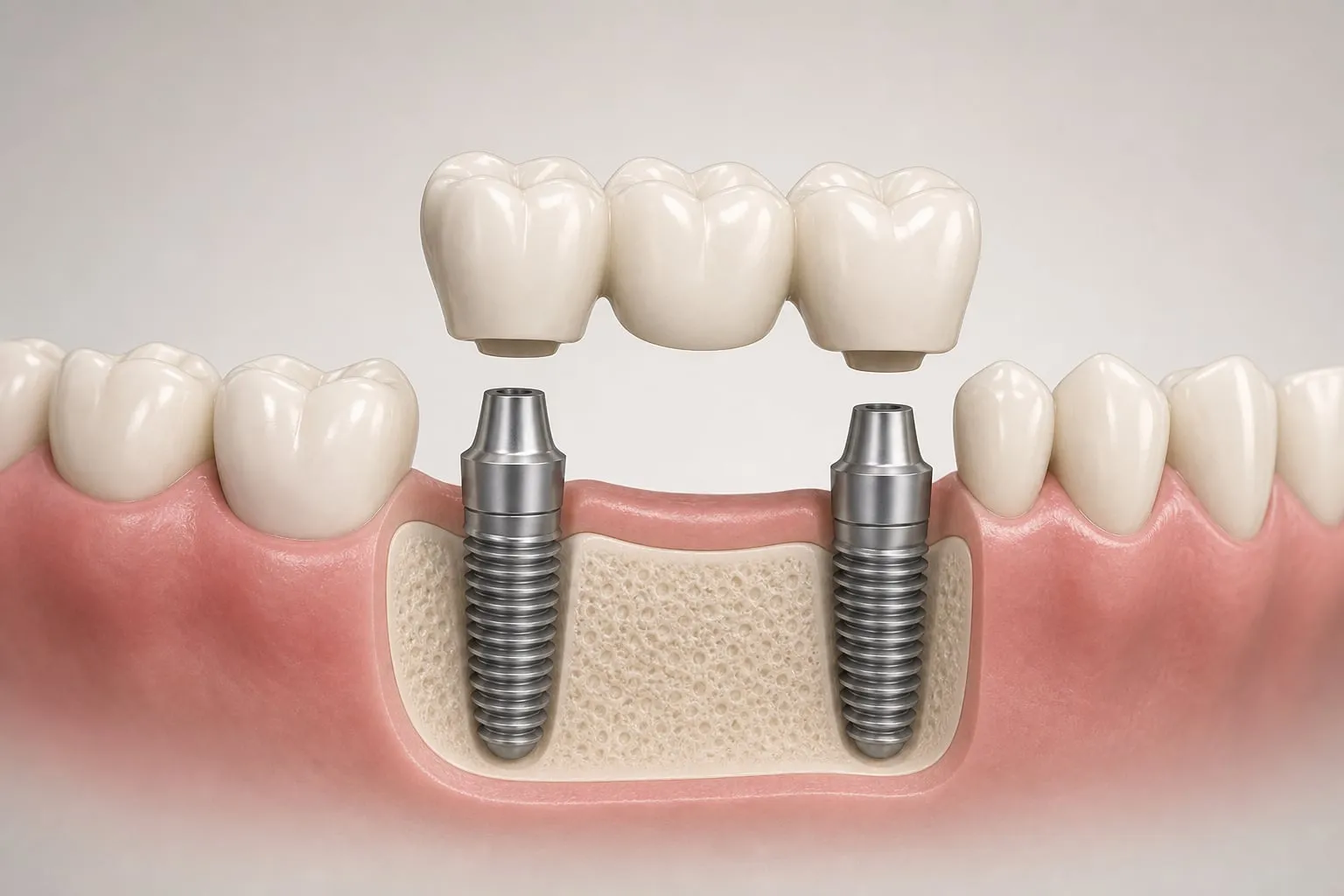
- What to do: Have the anchor teeth checked. Depending on their condition, options may include a new bridge or an implant-supported bridge, which doesn’t depend on natural teeth.
6. Dentures that are loose or painful
- What it may mean: Dentures rest on the gums, and the bone beneath them keeps shrinking over time, so a denture that once fit well can start to slip, rub, or cause sore spots.
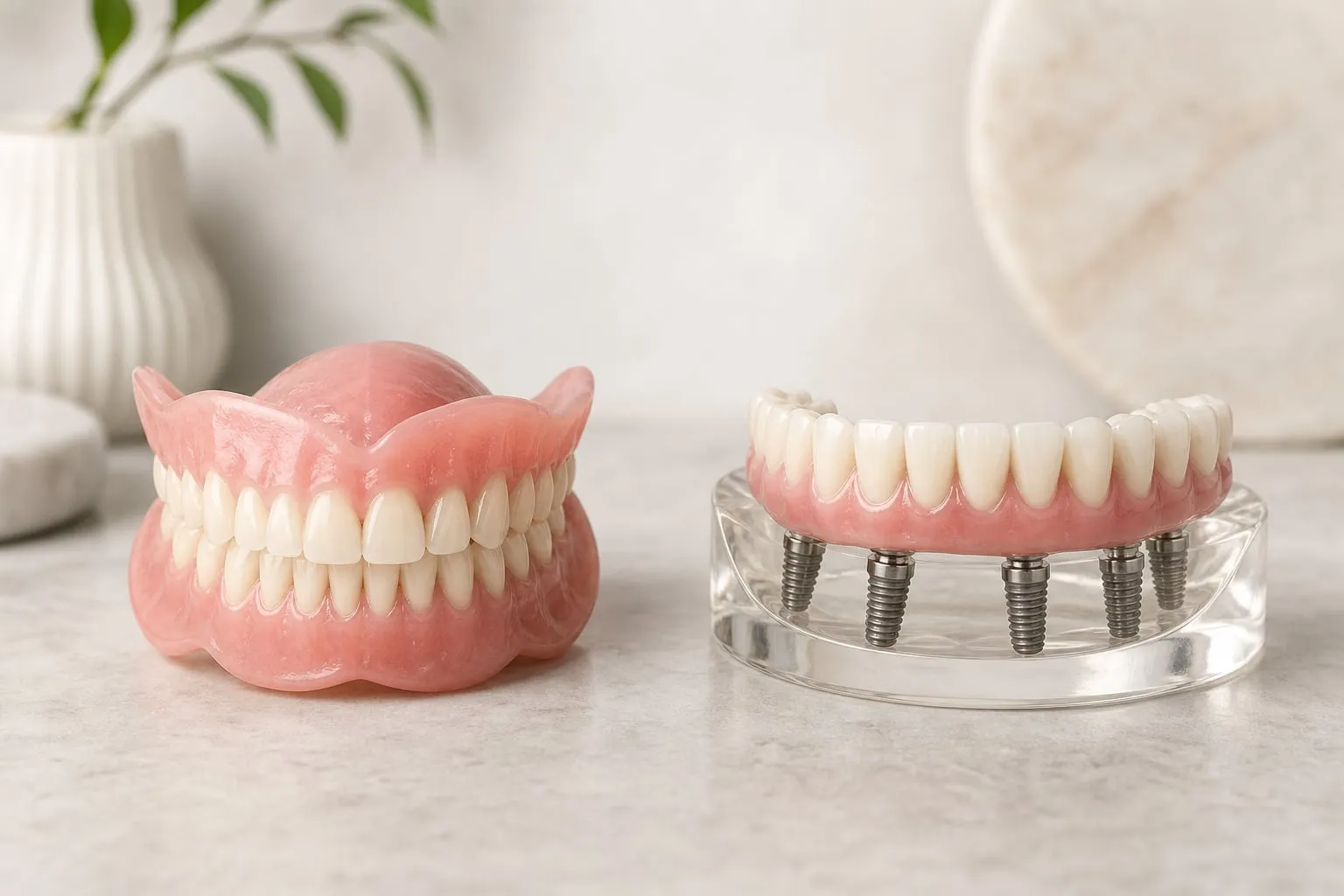
- What to do: A reline may restore the fit for a while. Implant-supported dentures are another option many long-term denture wearers consider. See what to do when dentures no longer fit.
7. Difficulty chewing on one side
- What it may mean: People often shift chewing away from a missing, cracked, or sore tooth without noticing. It can also point to something else, such as a cavity or jaw joint discomfort.
- What to do: Mention it at your next exam. It’s a common early clue to a problem tooth.
8. Teeth shifting into a gap
- What it may mean: When a tooth is missing, the neighboring teeth can tip into the space and the opposing tooth can over-erupt, growing further out of its socket. Over time this can change your bite and make teeth harder to clean.
- What to do: Get evaluated sooner rather than later. The more teeth shift, the more preparation a replacement may need.
Does every sign mean you need an implant?
No. These signs mean something needs attention; they don’t decide the treatment. Depending on what an exam shows, a tooth may be saved, or it may be better replaced with an implant, a bridge, or a denture.
| Sign | May be treatable without replacing the tooth | When an implant may be considered |
|---|---|---|
| Cracked or broken tooth | Often, with a filling, crown, or root canal | The crack reaches the root, or too little tooth is left |
| Loose tooth from gum disease | Sometimes, with periodontal treatment | Too little bone support remains |
| Failing root canal | Sometimes, with retreatment | Retreatment is unlikely to work |
| Failing bridge | Sometimes, with a new bridge | The anchor teeth can no longer support one |
| Loose dentures | Often for a while, with a reline or remake | You want more stability or a fixed option |
Whether an implant is workable for you also depends on your bone, gum health, and general health. Our page on dental implant candidacy explains what’s evaluated.
What happens at a dental implant evaluation?
At our Mission Viejo office, the first step is a free, no-obligation consultation. It typically includes:
- A conversation about your goals, dental history, health history, and medications
- An exam of your gums, teeth, bite, and the problem area
- Imaging, often a 3D CBCT scan, which shows the height and width of the bone and nearby structures such as the sinus and nerve canal
- A review of your options, including whether the tooth can be saved
- A written treatment plan with pricing, including any preliminary steps such as an extraction or bone graft
You can read more about your first visit, including what to bring and questions to ask.
When is a tooth problem urgent?
Some signs shouldn’t wait for a routine appointment. Contact a dentist promptly if you have:
- Swelling in your face, gums, or jaw
- A fever along with tooth pain or swelling
- Severe pain, or pain that keeps getting worse
- A tooth knocked out or badly broken by an injury
- A bad taste or pus near a tooth
If swelling spreads toward your eye or neck, or makes it hard to breathe or swallow, seek emergency medical care right away.
The bottom line
A missing, cracked, loose, or failing tooth, or a denture that no longer fits, is a sign to get evaluated rather than proof that you need an implant. Sometimes the tooth can be saved, and when it can’t, an implant is one of several ways to replace it. An exam and imaging are the only way to know which applies to you, so request a free consultation or call (949) 773-4170 to find out.
This article is general education, not a diagnosis or a substitute for professional dental or medical advice. Discuss your own symptoms and health history with your dentist and physician. Individual results vary, and only a personalized evaluation can determine whether a dental implant may be an option for you.