Newest guide
Dental Implants, Osteoporosis, and Bone Medications
The diagnosis is rarely the barrier. What matters is which medications you take, and that requires an honest conversation — not guesswork.
Many dental plans reset benefits on January 1.Dental benefits often reset Jan 1.How to use yours before year-endLearn how

Blog topic
Most people with missing or failing teeth can be considered for dental implants, but bone, gum health, medical history and habits all shape the plan. These guides explain how each factor is assessed and what can be done when one of them needs attention first.
Start here
What actually determines candidacy: bone, gums, health history and habits.
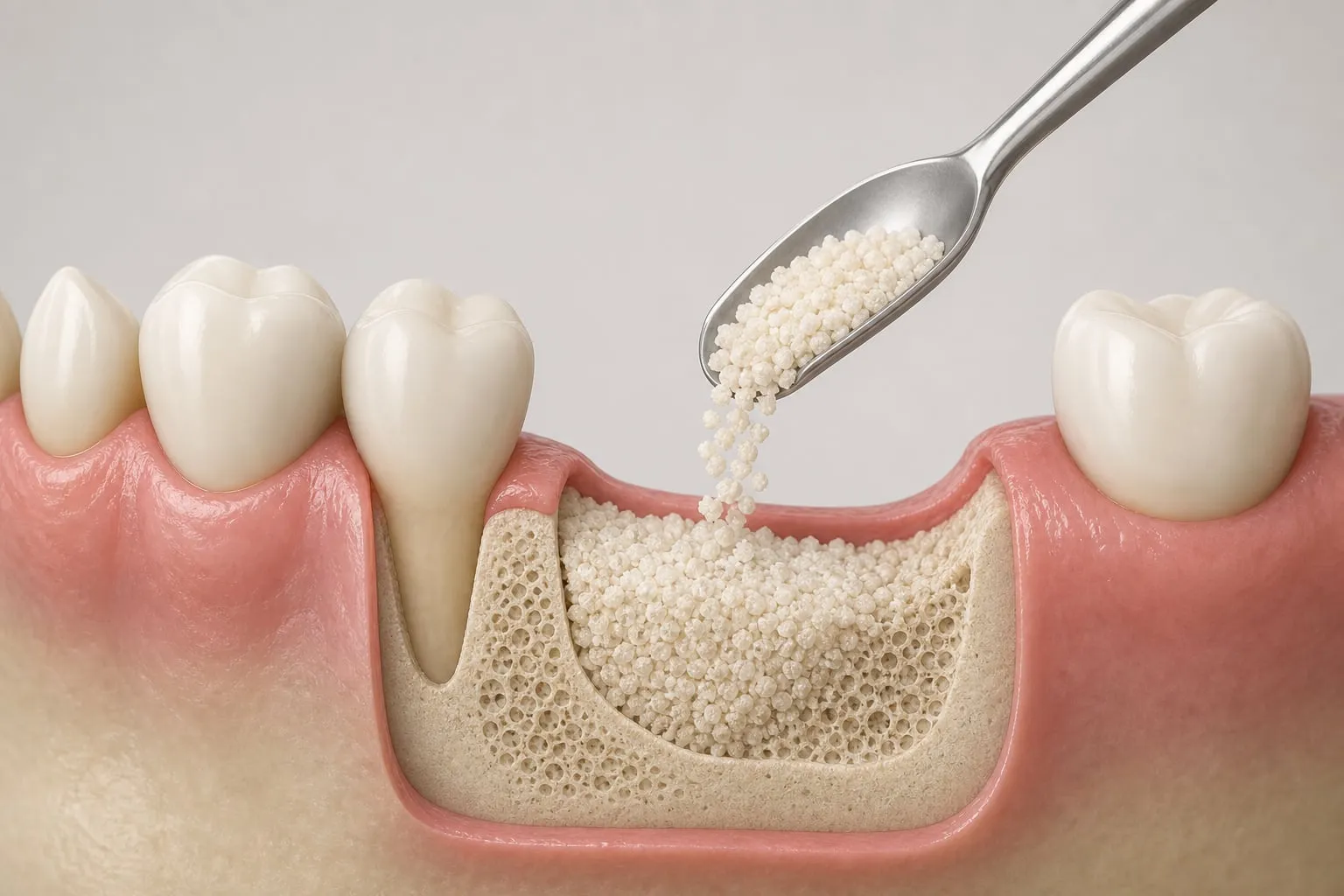
How grafting rebuilds a foundation when bone has been lost.
Why bone volume and anatomy are measured before an implant is placed.
Articles
16 articles, newest first
Newest guide
The diagnosis is rarely the barrier. What matters is which medications you take, and that requires an honest conversation — not guesswork.
Gum disease doesn't rule out dental implants — but it does change the order of treatment. Here's why it's treated first and what the sequence looks like.
Read articleLost a tooth years ago? It's usually not too late for a dental implant. Learn how time changes the site, what 3D imaging shows, and options if bone has thinned.
Read articleCan you get dental implants with diabetes? Learn how blood sugar control affects healing, what the research shows, and how treatment is planned for you.
Read articleDoes smoking rule out dental implants? Learn how smoking affects healing and implant success, what the research shows, and steps that can improve your odds.
Read articleCan you get dental implants with bone loss? Learn how jawbone loss happens, why it matters, and how grafting or All-On-4 may still make implants possible.
Read articleDo you need a bone graft before dental implants? Not everyone does. Learn what grafting is, who tends to need it, and how it affects your timeline and cost.
Read articleAn autoimmune condition such as rheumatoid arthritis, lupus or Sjögren's doesn't rule out dental implants on its own. What's weighed and what to bring.
Read articleDental implants and pregnancy: why implant surgery and 3D imaging are usually postponed, what dental care continues, and options for a missing tooth meanwhile.
Read articleWhen can teens and young adults get dental implants? Why implants wait until jaw growth is complete, how readiness is assessed, and how to hold the space.
Read articleTaking blood thinners rarely rules out dental implants, but it changes planning. Why your medication list matters and how your dentist and physician coordinate.
Read articleTaking a GLP-1 medication rarely rules out dental implants, but it can change sedation and fasting plans. What to tell your dental team, and what to ask.
Read articleWhat is a sinus lift? Why upper back teeth can lack bone for an implant, how a 3D scan shows if you need one, what recovery is usually like, and how cost works.
Read articleAre dental implants safe? They're a well-established treatment. Learn the benefits, risks to discuss with your dentist, and who tends to be a good candidate.
Read articleIs there an age limit for dental implants? Learn why overall health matters more than age, what we evaluate, and why many older adults do well with implants.
Read articleHigh blood pressure or a heart condition rarely rules out dental implants, but it shapes planning. Why your history matters and how your doctors coordinate.
Read articleQuick answers
Most people with one or more missing or failing teeth are candidates for dental implants. The best way to know for certain is a personalized evaluation that reviews your oral health, jawbone, and goals. If additional steps such as bone grafting are needed, your dentist can walk you through the options.
Not everyone needs a bone graft. If a tooth has been missing for a while, the jawbone may have lost some volume, and a graft can help rebuild a strong foundation for an implant. An exam and imaging determine whether grafting is recommended in your case.
Some medications are relevant to planning, including blood thinners and certain bone medications. This rarely means implants are off the table, but it does mean care needs to be coordinated properly and sometimes discussed with your physician. Bring a complete list of your medications and supplements to your consultation.
More answers in the full FAQ.
Book your visit
Book your free, no-obligation consultation today and take the first step toward a confident, fully functional smile — or call our Mission Viejo office to speak with our team.